
By Adam Hugo Mejia
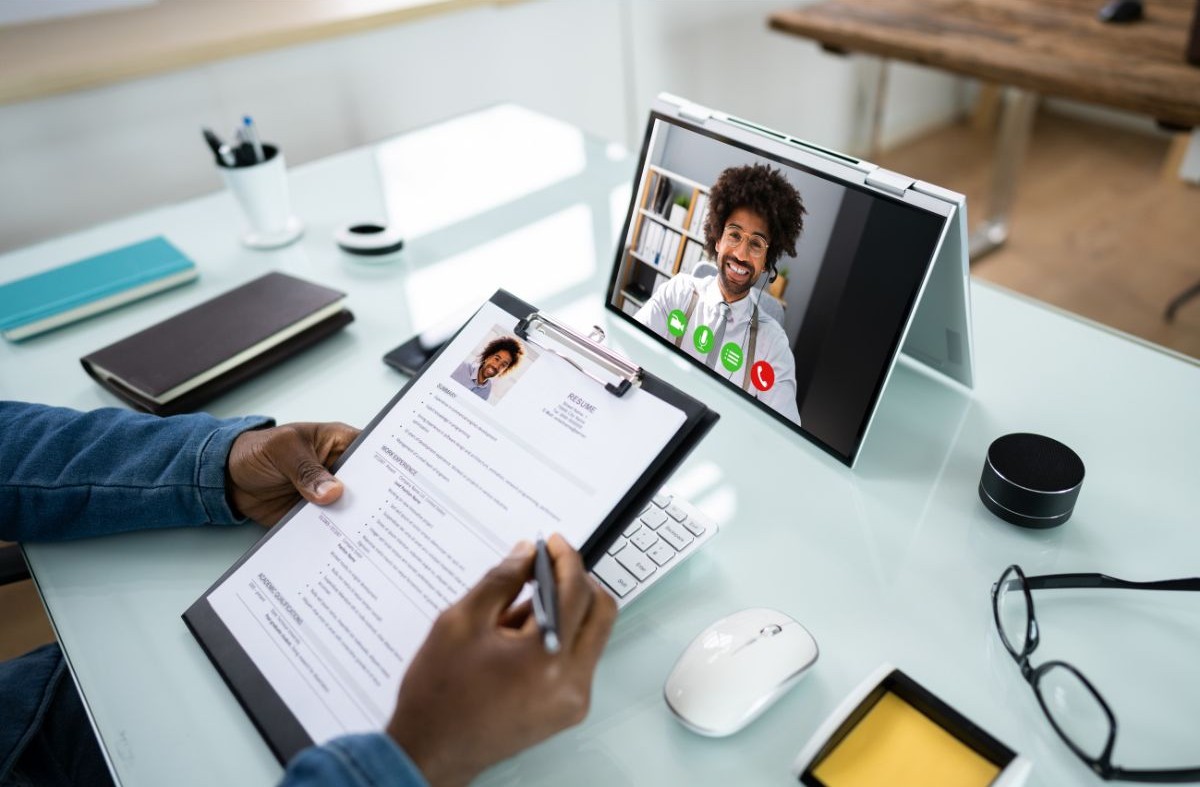
Five years ago, virtual interactions were rare, but as we have all experienced, the virtual setting has now become the norm. Companies have been changing their recruitment processes, interviews, and even skill set reviews in various ways. Virtual interviews, pre-screening calls, and even pre-recorded interviews are now commonplace, and they are not something our mentors, professors, or even executive leaders may have experienced before. During my career advancement and graduate studies, especially during the height of the COVID-19 pandemic, my perspective on interviews and virtual settings evolved significantly. Here are a few tips and tricks to help you navigate virtual interviews and prepare for pre-recorded ones.
Virtual Interviews
-
- Test the Platform There are many platforms available, such as Zoom, Microsoft Teams, Google Meet, WebEx, and GoToMeeting. Regardless of the platform, make time to test it out and ensure you have good quality Wi-Fi, sound, and visuals.
- Dress for Success in a Virtual World Many initial interviews are conducted virtually. It’s important to have a professional, plain virtual background that doesn’t contrast with your attire. The simpler the background, the better. Wear a shirt or blouse without stripes or patterns to avoid difficult virtual contrasts. While your attire should reflect the organization’s culture, it’s better to opt for professional attire when in doubt. A blazer or sport coat adds an element of professionalism.
- Video On Even if you don’t feel your best, unless specified otherwise, it’s always best to have your camera on, even if the interviewers don’t. This highlights your skills, brings energy, and shows confidence.
- Prepare Your Space Ensure you have a space where you can speak freely during the interview. A workspace with good lighting, comfortable space, and a professional appearance will make you feel more comfortable and reduce distractions.
- Be Aware of Your Body Language and Voice First impressions matter. Your body language should reflect professional confidence. Smile and maintain eye contact with the camera. Avoid excessive hand movements, as they can be distracting in a virtual setting. Test your audio beforehand to ensure you sound clear. Remember to unmute yourself before speaking to avoid wasting time.
- Engage with the Interviewer or Panel A benefit of virtual interviews is seeing everyone’s name on the screen. Use this to your advantage by addressing panelists or interviewers by name. It’s respectful and helps you remember their names for future reference.
- Use Your Workspace to Your Advantage Some interviews may require you to present materials or test your knowledge. Be prepared to share these materials and have them on a dual screen if possible. You can also use a secondary screen for quick reference during the interview.
Pre-Recorded Interview Tips
-
- Test and Sound Check Most platforms allow you to record and edit your responses. Before recording, test the sound to ensure there are no background noises or distractions.
- Prepare Your Space As with virtual interviews, ensure you have a space where you can speak freely. A workspace with good lighting and a professional appearance will make you feel more comfortable and reduce distractions.
- Practice Responses Pre-recorded interviews give you the chance to record yourself and review your responses. Practice your answers before submitting the recording, and consider having someone review them.
- Understand Your Unique Value Proposition Identify the qualities that make you the leader the organization seeks. Understand your strengths, achievements, and areas for growth, and how they align with the role. Tailor your responses to emphasize what makes you the ideal candidate.
- Answer the Prompt Pre-recorded interviews often have prompts and timeframes. Use methods like the STARR (Situation, Task, Action, Results, Reflection) or CART (Context, Action, Results, Takeaway) to structure your answers and highlight your qualifications.
- Review Before You Submit Double-check your recording for any mistakes or issues before submitting. It’s like turning in a test; ensure you haven’t missed anything.
- Be Confident in Your Work After reviewing your recording, be confident in your work and avoid dwelling on it. These recordings are meant to showcase your communication skills, cultural fit, enthusiasm, and motivation. Be your authentic self.
Conclusion
With preparation for different styles of interviews and a combination of confidence, these tools are designed to highlight your authentic self to the interviewee. As someone who has experienced various forms of interviews, I view each one as an opportunity to learn and engage in new ways. With confidence and preparation, every step will bring you closer to your goals.
